Why raw meat and salad should never share a board
This is not a fussy rule. Food Standards Australia New Zealand explains that microorganisms from raw meat, poultry, seafood and eggs can spread to fruit, vegetables and cooked food unless you keep them separate.
The same guidance advises using one cutting board and knife for raw meat and another set for foods that will not be cooked, like salad ingredients. For food businesses, the national food safety standard (Standard 3.2.2) says equipment used for raw food should not be used for ready-to-eat food unless it has been cleaned, sanitised and dried. The NSW Food Authority publishes similar guidance on cutting boards for food businesses. Timber and plastic boards can be cleaned and sanitised too, so the habit matters as much as the material.
What is hiding on the boards most of us use
Where it goes wrong at home
- You slice the chicken, wipe the board, and then chop the tomatoes on the same spot.
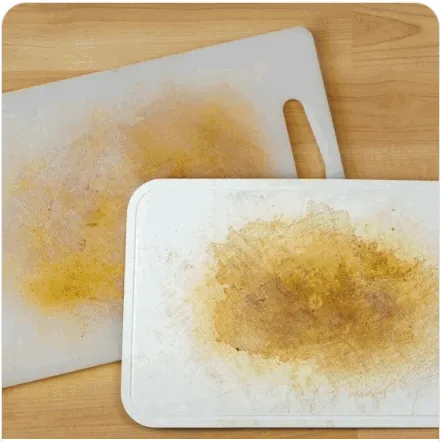
- Knife scars in soft plastic hold onto residue that a quick rinse does not shift.
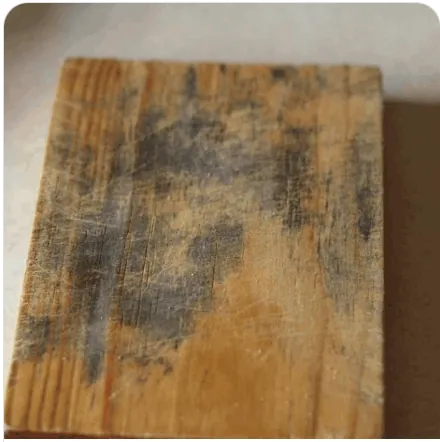
- Timber left damp overnight can hold moisture and mould.
- Juices run across a flat board and onto the bench, toward the fruit bowl.
The usual fix is a set of colour-coded boards. That works, but it takes drawer space and is easy to skip when you are in a hurry. A smooth metal board is the shortcut the Katori is selling: nothing to soak into, and quick to wash before you switch jobs.
Order from the seller's page
The Katori is popular enough that lookalike pages have appeared. To land on the seller's order page, use the button below. You pick your quantity there and see the price and delivery details before you pay.
- Choose your quantity on the order page: one board for the bench, or more for the family.
- Check the delivery details for Australia before you pay.
- Save your order confirmation in case you ever need it.
What the Katori is
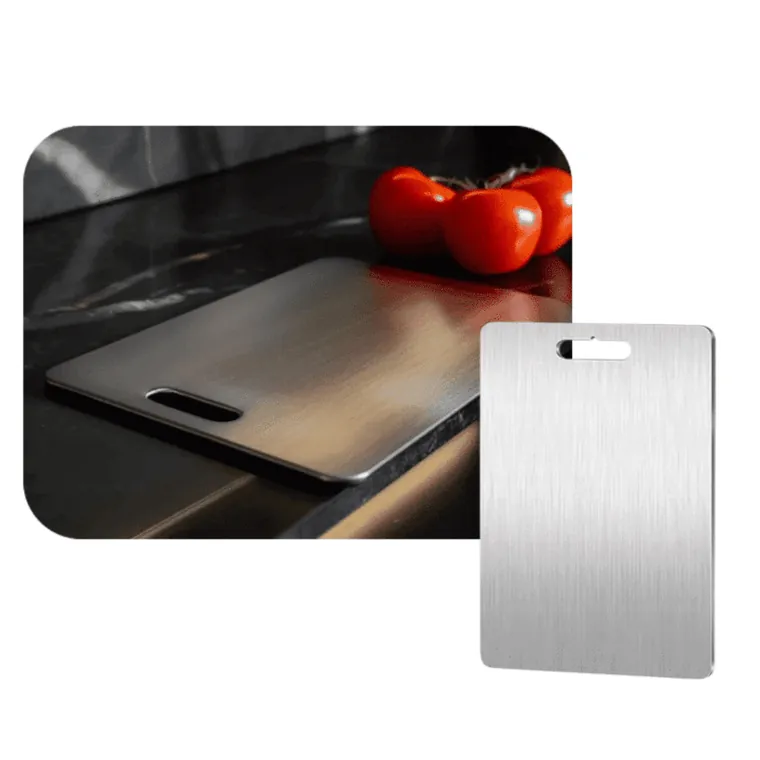
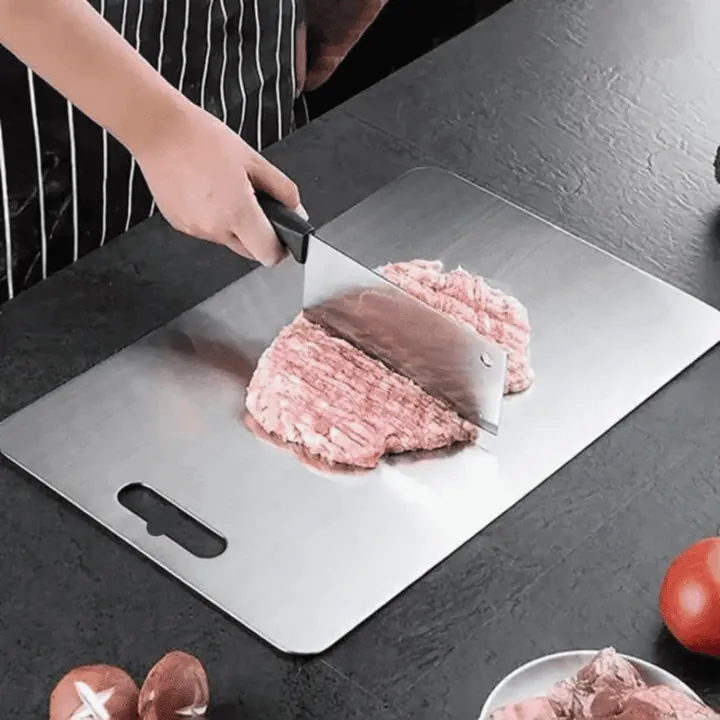
The Katori is a titanium cutting board: a thin, flat, brushed-metal slab with rounded corners and a cut-out handle at one end. There is no timber to soak up water and no soft plastic to scar, so the surface is smooth from edge to edge.
The surface is non-porous, so liquids, odours and stains have nothing to soak into. That is the main reason people move to a metal board: raw chicken, garlic and fish do not leave their mark, and the board rinses clean.
Why people switch
What you get
- A smooth surface with no timber grain or soft plastic to soak up juice
- No lingering garlic or fish smell
- Easy to wash by hand
- Thin and flat, so it stores upright beside the tray rack
- A handle cut-out to carry or hang it
Good to know
- Metal is firmer than timber, so use a sharp knife and a slicing motion
- No juice groove: put a tray under it for very juicy jobs
- Wash and dry it after each job, just like any board
Why titanium?
Buying guides from Australian retailers, such as Terra Wellness, describe titanium boards as smooth and non-porous, resistant to corrosion and less likely to develop the microscopic grooves that trap food.
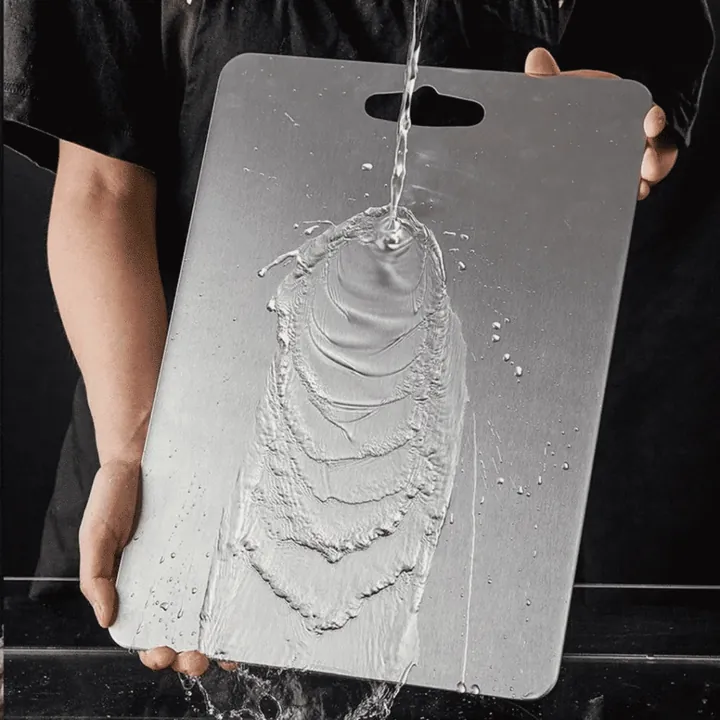
In plain terms: nothing soaks in, so there is nothing to scrub out. Wash it, dry it, and it is ready for the next job.
Knives: what to expect
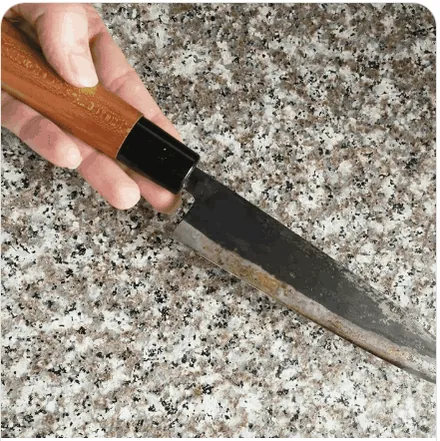
Like any metal board, titanium is firmer than timber. Retailer guides describe it as softer than good kitchen knife steel, so a sharp knife and a slicing motion are all you need. If you have a favourite knife you baby, keep a small timber board for it and let the Katori handle the meat prep and everyday chopping.
Where a smooth metal board earns its bench space
The Sunday barbie
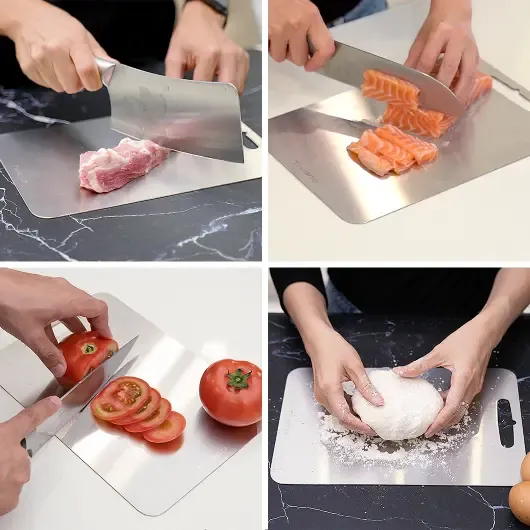
Snags, steak and marinated chicken on the board, then a rinse and dry before the onions and bread rolls. Because the surface is smooth, marinade has nothing to soak into. Keep a tray under it, since there is no groove.
The Friday seafood
Prawns and fish are the most likely to leave a smell on a plastic board. A non-porous surface does not soak it up, so the salad you cut next does not taste of last night.
Meal prep and the weeknight rush
Portion the chicken, rinse, dry, then prep the vegies. It saves fetching a second board from the drawer when you are already running late.
Baking and pastry
Dough kneads straight on the surface, and a smooth board wipes clean of flour.
Caravan, camping and small kitchens
If you cook in a rental, a caravan or a small unit, one thin board that stores upright is easier than a stack of colour-coded ones.
Katori vs the boards you already know
| Plastic | Timber | Katori (titanium) | |
|---|---|---|---|
| Absorbs juice and odours | Scars hold residue | Can, if left damp | Non-porous surface |
| Stains | Yellows and stains | Marks and darkens | Wipes clean |
| Kind to knives | Good | Best | Harder than timber |
| Cleaning | Dishwasher, but scars build up | Hand wash, dry well | Hand wash in hot soapy water |
| Juice groove | Sometimes | Sometimes | No |
| Storage | Bulky | Heavy | Thin, stores upright |
| Best for | Cheap and cheerful | Knife lovers | Hygiene-first cooks |
Our own summary, based on Australian retailer buying guides and the product photos.
Who the Katori suits
Good fit if you
- Cook meat several nights a week
- Are tired of stained, scarred plastic boards
- Hate the smell that plastic holds on to
- Want a thin board that is quick to rinse
Great for
- Barbie prep: snags, steak and chicken
- Seafood nights and fish fillets
- Weeknight meal prep
- Bread, veg and dough
How to use it so it actually keeps things separate
- Do the raw job first. Meat, poultry or seafood on the board, on a tray if it is juicy.
- Wash straight away. Hot soapy water and a clean cloth, not a sponge that sat in the sink all week.
- Sanitise before ready-to-eat food. Food authorities advise cleaning, then sanitising, then drying a board that has held raw meat before it touches food that will not be cooked. Follow the sanitising method your state food authority recommends.
- Dry before the next job. Australian guidance is clean, sanitise and dry before the board touches ready-to-eat food.
- Store it upright so air reaches both faces.
Price, delivery and returns
Pick your quantity on the seller's order page. The price, delivery time and return terms are shown there before you pay, so you can see exactly what you are getting.
Australian Consumer Law guarantees such as acceptable quality apply to goods sold to Australian consumers. Keep your order confirmation in case you ever need it.
Frequently asked questions
Do I really need a separate board for raw meat?
Australian guidance says a board used for raw meat should not be used for ready-to-eat food unless it has been cleaned, sanitised and dried. A smooth metal board can make that routine quicker.
What is the Katori made of?
It is a titanium cutting board. Size and thickness are listed on the seller's order page.
Will it damage my knives?
Any metal board is firmer than timber. Titanium is usually described as softer than good knife steel, so use a sharp knife with a slicing motion and sharpen as normal.
Does it have a juice groove?
No. It is a flat board with a handle cut-out. For very juicy jobs, put a tray under it or work near the sink.
What can I cut on it?
Raw meat, chicken, fish and seafood, vegetables and fruit, bread and even dough, as the product photos show.
Is it easy to store?
Yes. It is thin and flat with a handle cut-out, so it stands upright beside the tray rack or can hang from a hook.
Is it dishwasher safe?
Check the care instructions on the order page. Hand washing in hot soapy water is the safe default.
How much does it cost?
The seller sets the price and it can change, so it is shown on the order page along with your quantity options.
How long does delivery take?
It depends on where your order ships from, and the delivery time is shown on the order page before you pay.
Is the Katori worth it?
If you cook meat at home and you are tired of stained, scarred boards that hold smells, the Katori is an easy upgrade. It is smooth, thin and quick to wash, and it makes the wash, sanitise and dry habit that Australian food safety agencies recommend easier to follow.
It has no juice groove, so put a tray under it for very juicy jobs, and like any metal board it likes a sharp knife. For the barbie, the seafood night and the weeknight rush, it earns its place on the bench.